
Solar collectors
Panels or tubes that capture sunlight and convert it into heat.
Solar hot water systems are one of the most energy-efficient and environmentally friendly ways to heat water for your home.
With Adelaide’s long sunny days and over 2,500 hours of sunshine each year, solar hot water can supply the majority of your household’s hot water using free energy from the sun – helping reduce energy bills and lower your carbon footprint at the same time.
At SA Hot Water Adelaide, we’ve worked with solar hot water systems for over 40 years. This guide explains how they work, the different system types available, typical costs, and how to decide if solar is right for your home.
Water heating accounts for around 25% of the average Australian home’s energy use. Switching to solar can significantly reduce that cost.
Many Adelaide households see:
When installed correctly, solar hot water can be one of the most cost-effective long-term solutions available.
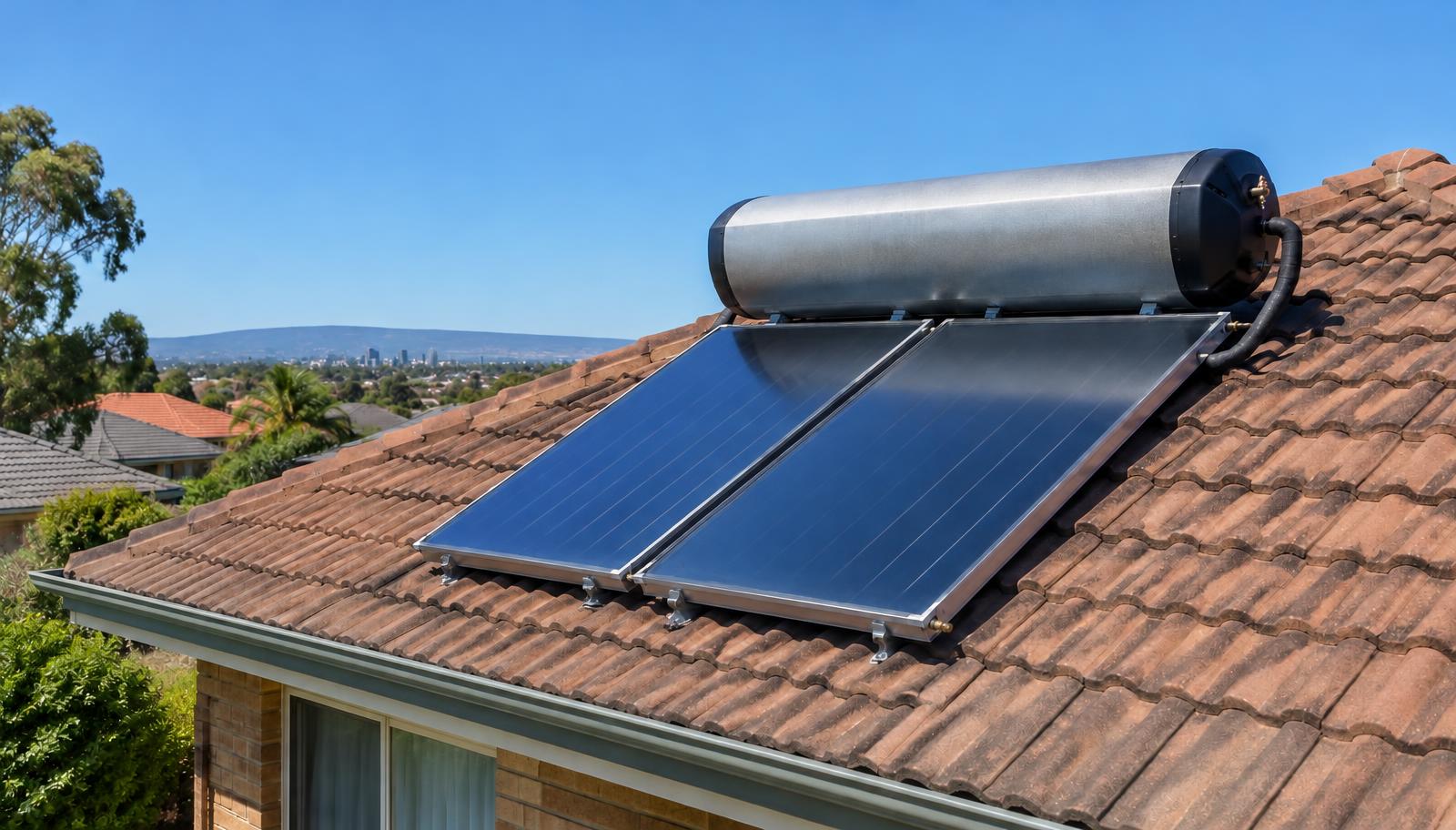
A solar hot water system uses roof-mounted collectors to absorb heat from the sun and transfer it into your home’s water supply.
Most systems include:
Panels or tubes that capture sunlight and convert it into heat.
Stores heated water for household use.
Automatically heats water when solar gain is low (cloudy days or high demand).
During sunny periods, the sun does most of the work. The booster only runs when needed, keeping running costs low while ensuring reliable hot water all year.
There are two main system designs used in Adelaide homes.
The tank and collectors are mounted together on the roof.
Best for:
Simpler installations
Lower upfront cost
Strong natural water circulation
Fewer moving parts
Considerations:
Heavier roof load
Tank visible from the ground
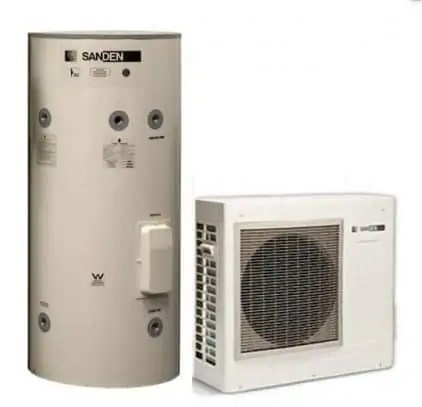
Collectors are mounted on the roof while the storage tank sits on the ground.
Best for:
Cleaner roof appearance
Easier maintenance access
Heavy tanks off the roof
Flexible placement
Considerations:
Slightly higher installation cost
Requires a small circulation pump
Both systems work well – the right choice depends on your roof structure, space and preferences.
Traditional panel design that performs well in sunny climates.
More advanced tubes that capture and retain heat more efficiently.
Many Adelaide homes choose evacuated tubes for improved year-round performance.
Sizing your system correctly ensures consistent performance and lower running costs.
As a general guide:
| Household Size | Tank Size |
|---|---|
| 1-2 people | 150–220L |
| 3-4 people | 220–300L |
| 5+ people | 300L+ |
Actual requirements vary depending on usage habits and peak demand times.
Although solar systems typically cost more upfront than electric or gas systems, they are much cheaper to run.
Because most heating is powered by the sun:
Daily energy use is lower
Boosters run less often
Bills decrease over time
Many households recover installation costs through energy savings within several years.
Long-term, solar hot water often has the lowest operating cost of any hot water system.
Even in Adelaide’s sunny climate, backup heating is important.
Boosters ensure you always have hot water by activating automatically when needed.
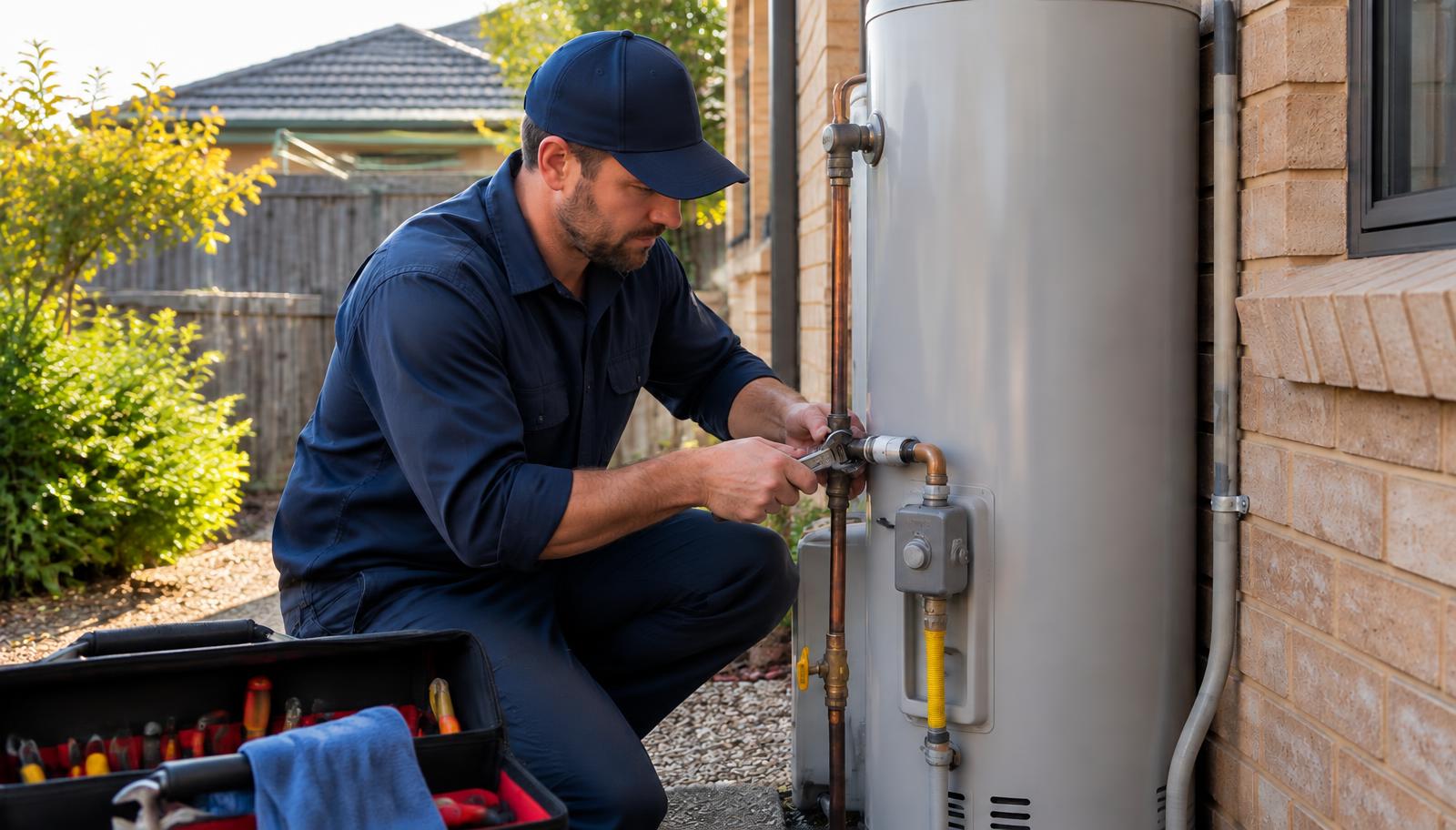
Both options provide seamless, year-round hot water regardless of weather.
Solar systems may be eligible for government incentives or Small-scale Technology Certificates (STCs), which can help reduce upfront costs.
Available rebates change over time, so it’s worth checking current programs before installing.
(For detailed rebate information, visit our dedicated rebates page or speak with a licensed installer.)
Solar can be a great option if:
It may be less suitable if:
Roof space is limited
Heavy shading
Short-term property ownership
An onsite assessment helps determine the best solution.
At SA Hot Water Adelaide, we work with proven brands designed for Australian conditions, including:
Rheem
Apricus
Rinnai
Dux
Aquamax
Choosing a reputable brand ensures better performance, warranty support and parts availability.
Choosing the right hot water system depends on your budget, home setup, and long-term running costs. Each type has different installation costs, efficiency levels and ongoing expenses.
Here’s a simple comparison to help Adelaide homeowners understand the differences:
| System Type | Upfront Cost | Running Cost | Efficiency | Best For |
|---|---|---|---|---|
| Solar + Booster | High | Very Low | Excellent | Long-term savings, sunny homes, eco-conscious households |
| Gas Continuous Flow | Medium | Low–Medium | High | Homes with mains gas, instant hot water, reliable performance |
| Heat Pump | Medium–High | Low | Very High | Energy-efficient option where solar isn’t suitable |
| Electric Storage | Low | High | Moderate | Lowest install cost, small households, short-term solution |
Uses free energy from the sun to heat most of your water, with a gas or electric booster for cloudy days.
Heats water instantly only when needed.
Extract heat from the surrounding air to warm your water.
Traditional tank system using electricity.
Best long-term savings: Solar
Best balance of cost & performance: Heat Pump
Best if you already have gas: Gas Continuous Flow
Lowest upfront cost: Electric Storage
The right choice depends on your roof space, budget, energy usage and how long you plan to stay in your home.
If you’re unsure, getting professional advice can help you compare options and choose the most cost-effective system for your situation.
If you’re researching solar hot water systems and want clear, professional advice, our Adelaide team is happy to help you understand your options and choose the right solution for your home.
Call (08) 8444 7320 to speak with a local hot water specialist
Many homes reduce water heating costs by 60-90%, depending on usage and system size.
Mainly, systems are divided into close-coupled and split, with flat panels or evacuated tubes doing the work. Adelaide’s climate makes evacuated tube solar hot water systems the better and smarter choice.
Yes! Both the Federal and State Governments give solar hot water rebates to help cut your costs. We can give you the latest advice on solar hot water system expenses as well as the current incentives available.
Boosters (electric or gas) provide additional heating on cloudy or rainy days when solar contribution is low. They ensure you have reliable hot water all year round and help improve overall system efficiency.
Yes! You can add solar hot water to systems you already have, both solar and gas, to keep costs down and preserve energy. By looking at your current system, our experts will suggest the best possible upgrade.
Yes. Your booster automatically heats water when solar energy isn’t sufficient.
Most systems last 10–20+ years with proper maintenance.
Maintenance is generally minimal, with occasional servicing recommended.
Yes. Most homes can upgrade to solar with the correct setup.